Why Are Robotic Surgery Systems in High Demand?
Demand for robotic surgery systems is rising because hospitals are responding to patient expectations, expanding surgical workloads, and advances in minimally invasive care. Robotic platforms can give surgeons a magnified, three-dimensional view and wristed instruments for controlled movements. These features may help with complex procedures through small incisions. They do not operate independently; trained clinical teams remain in control.
Adoption is also measurable. Intuitive Surgical’s 2024 annual report states that worldwide procedures using its da Vinci systems increased about 17% that year, reaching approximately 2.68 million. This company-reported figure reflects one manufacturer, not the entire market. Still, it offers a concrete sign of growing use. More procedures can build institutional experience, while wider deployment may encourage investment in training, instruments, and operating-room support.
There are practical pressures, too. Hospitals weigh potential clinical value against purchase costs, maintenance, staffing, and the time needed for teams to learn new workflows. Evidence varies by procedure and patient group. A robotic approach is not automatically better, cheaper, or faster. That distinction matters.
For surgeons, the console can reduce awkward hand positions during long operations. For patients, smaller incisions may mean less tissue disruption in suitable cases. Yet outcomes depend on the operation, the care team, and careful patient selection. Demand is therefore driven by promise and accumulated experience—but also by competition, expectations, and unanswered questions. The technology is advancing. Judgment must keep pace.
What Robotic Surgery Systems Are and How They Work
Why Are Robotic Surgery Systems in High Demand?
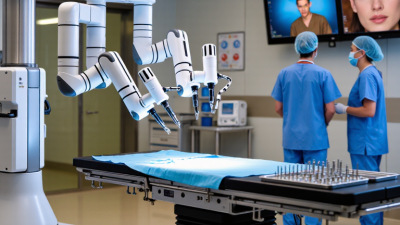
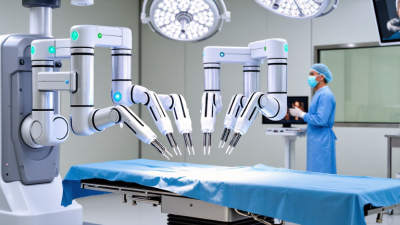
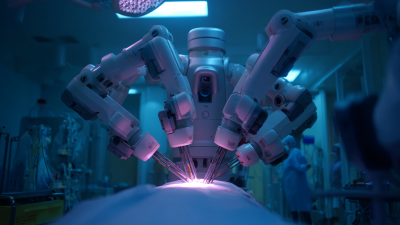
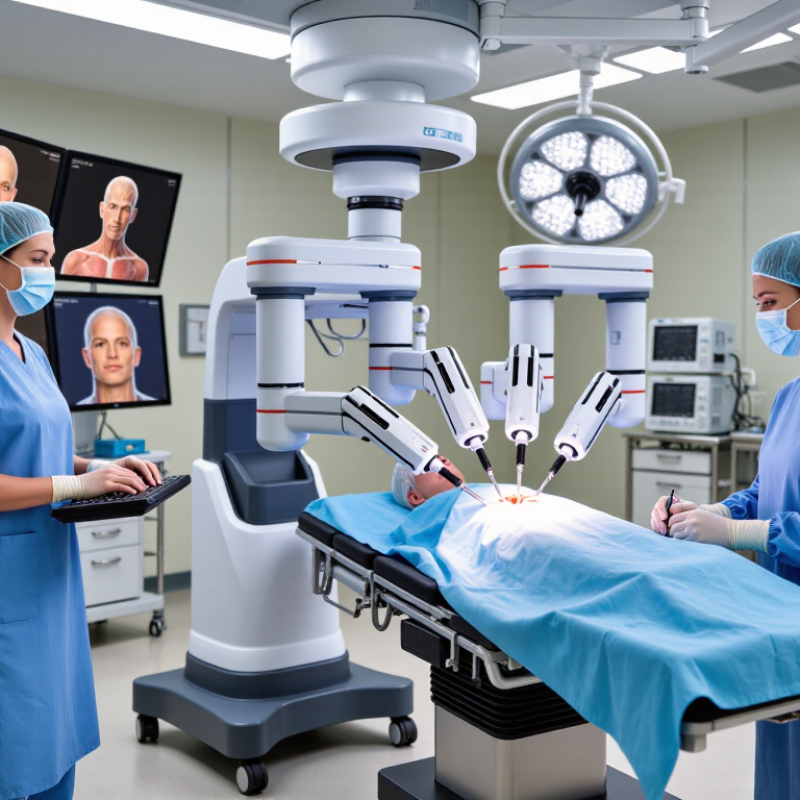
Robotic surgery systems combine a surgeon’s skill with precise mechanical instruments. The surgeon sits at a console and views the operating area through a high-definition, three-dimensional camera. Small instruments enter through tiny incisions, then respond to the surgeon’s hand movements. The system can filter minor tremors and scale movements for finer control.
These systems do not operate independently. A trained surgeon directs every important action, while the operating team monitors the patient, instruments, and vital signs. Flexible joints can help instruments move inside tight spaces, where straight tools may feel limited. From clinical experience, this control can support delicate procedures, but it does not remove surgical risk. Results still depend on patient condition, surgical planning, training, and hospital protocols. More expensive technology is not automatically better.
Tips: Ask who will perform the procedure and how often they use the system. Discuss expected benefits, possible complications, recovery time, and non-robotic options. Patients should also ask whether the system is suitable for their specific anatomy. Good questions matter. Evidence should guide decisions, not impressive screens or mechanical movement. Surgeons and hospitals must review outcomes honestly, including cases that did not go as planned.
How Surgeons Use Robotic Systems During Operations
Why Are Robotic Surgery Systems in High Demand?
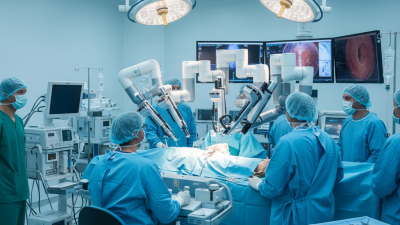
During an operation, surgeons control robotic instruments from a nearby console. A high-definition camera displays the surgical field in three dimensions. The surgeon moves hand controls, while the system translates those movements into smaller, precise motions inside the patient. The instruments can rotate more freely than standard surgical tools. This helps surgeons work around delicate structures, especially in narrow spaces. The room stays quiet. A trained assistant remains beside the patient, changing instruments and responding to the surgical team.
Robotic systems may support procedures involving the abdomen, chest, pelvis, or joints. Before surgery, the team studies scans and selects suitable access points. During the operation, surgeons adjust the camera angle, instrument position, and movement scale. Small movements can become highly controlled actions. That matters near blood vessels or sensitive tissue. However, the system does not make decisions independently. Surgeons still interpret anatomy, manage bleeding, and respond to unexpected findings.
There are limits. The surgeon may not feel tissue directly through the instruments. Visual judgment and team communication become essential. Setup can take time, and the equipment requires specialized training. I have seen how a calm, experienced team can make the technology seem effortless, but that appearance can be misleading. Human error remains possible. Patient selection, careful preparation, and honest review after each procedure are still necessary. The technology assists surgical skill; it does not replace it.
Why Are Robotic Surgery Systems in High Demand?
Robotic assistance became more common in minimally invasive general surgery in the United States between 2012 and 2018.
How surgeons use the system: Surgeons operate from a console, viewing a magnified 3D image and controlling instruments inside the patient. The system translates their hand movements; it does not perform the operation autonomously.
Measure: share of minimally invasive general surgery procedures using robotic assistance. Source: Sheetz et al., JAMA Network Open (2020), U.S. data, 2012–2018.
Clinical Benefits That Encourage Adoption
Clinical benefits explain much of the demand for robotic surgery systems. High-definition, three-dimensional imaging helps surgeons identify small vessels and tissue planes. Wristed instruments also support controlled movements in narrow anatomical spaces. These advantages matter during pelvic, thoracic, and urological procedures.
The evidence is not flawless. In the 2017 ROLARR randomized trial, involving 471 patients with rectal cancer, conversion to open surgery occurred in 8.1% of robotic cases and 12.2% of laparoscopic cases. However, the difference was not statistically significant. This finding shows that robotic assistance may improve technical control without guaranteeing better outcomes for every patient. A 2021 Cochrane Review also reported uncertain evidence for major differences in complications and long-term results between robotic and laparoscopic rectal surgery.
Recovery remains an important adoption driver. Minimally invasive access can mean smaller incisions, less postoperative pain, and earlier mobility. A 2023 report from the Organisation for Economic Co-operation and Development noted that shorter hospital stays are increasingly linked with healthcare efficiency and capacity management. Yet outcomes depend on patient selection, team experience, and well-designed training. The system does not replace judgment. It can reduce some physical limitations, but learning curves still vary between hospitals and surgeons. That gap deserves more attention. We need stronger registry data, longer follow-up, and transparent comparisons before treating robotic surgery as universally superior.
Technology and Healthcare Trends Driving Demand
Robotic surgery systems are attracting interest as healthcare needs grow more complex. Aging populations and rising rates of chronic disease increase demand for procedures that require precision. Hospitals also face pressure to improve operating-room efficiency and patient experience. Robotic systems can give surgeons a magnified, three-dimensional view and instruments with flexible movement. These tools may help with delicate tasks, but outcomes still depend on the procedure, the clinical team, and patient factors. Technology alone is not a guarantee.
Healthcare technology trends are also shaping demand. Better imaging, improved instrument control, and digital operating-room workflows can support planning and coordination. Hospitals may invest when these systems fit their specialties and staffing plans. Yet training takes time, and equipment, maintenance, and operating-room setup add costs. A busy hospital may find that adoption is harder than the demonstration suggests. That gap deserves attention. Long-term evidence and transparent reporting matter when facilities compare benefits with total costs.
Tips: Ask how often a system will be used and which procedures it supports. Check training plans, service arrangements, and published outcome data. Also ask what the technology cannot do.
Why Are Robotic Surgery Systems in High Demand? — Technology and Healthcare Trends Driving Demand
| Demand driver |
Verified data point |
Why it matters for robotic surgery |
Source |
| Population ageing |
The number of people aged 60 and over is projected to rise from 1.0 billion in 2020 to 1.4 billion by 2030, and 2.1 billion by 2050. |
Ageing populations increase the need for many forms of healthcare, including procedures for conditions that become more common with age. This is a broad healthcare-demand indicator, not a direct measure of robotic-surgery use. |
World Health Organization (WHO), Ageing and health |
| Rising cancer burden |
An estimated 20 million new cancer cases occurred worldwide in 2022. Annual new cases are projected to reach 35 million by 2050, a 77% increase from 2022. |
Surgery is an important treatment option for many cancers. The growing cancer burden may increase demand for surgical capacity, including minimally invasive approaches where clinically appropriate. |
International Agency for Research on Cancer (IARC), 2024 |
| Noncommunicable diseases |
Noncommunicable diseases account for approximately 41 million deaths each year, equivalent to 74% of deaths worldwide. |
Chronic diseases can create substantial treatment needs, including procedures in selected cases. The statistic reflects overall disease burden; it does not indicate how many patients need surgery or robotic assistance. |
WHO, Noncommunicable diseases |
| Unmet need for surgical care |
A 2015 Lancet Commission estimated that 5 billion people lacked access to safe, affordable surgical and anaesthesia care when needed. |
The access gap highlights the need to expand surgical capacity. Robotic systems may contribute in some settings, but their cost, infrastructure requirements and workforce needs can also limit access. |
The Lancet Commission on Global Surgery, 2015 |
| Advances in minimally invasive techniques |
Robotic systems provide surgeons with instrument control and a magnified, three-dimensional view in procedures for which the system is designed and authorized. |
These capabilities can support complex minimally invasive operations and may influence adoption. Outcomes and suitability vary by procedure, patient and clinical setting; robotic assistance is not automatically superior to other approaches. |
U.S. Food and Drug Administration (FDA), Computer-Assisted Surgical Systems |
Note: These figures describe healthcare and surgical-care trends, not robotic-surgery market size or procedure volumes. They indicate potential sources of demand rather than proving that every trend leads directly to greater adoption.
Costs, Training, and Other Factors Limiting Use
Robotic surgery can offer steady instrument control in confined spaces, but hospitals must pay heavily before the first case. A JAMA analysis by Childers and Maggard-Gibbons (2018) estimated purchase prices at roughly $0.5 million to $2.5 million, with annual maintenance around $100,000 to $170,000. Disposable instruments add costs case by case. The bill is real. Smaller hospitals may struggle to schedule enough procedures to spread these expenses across patients. Estimates also vary by contract, service package, and procedure volume, so a single headline price can mislead.
Training brings a quieter cost: time away from operating lists. Surgeons need simulation, supervised cases, and practice with a new camera-and-console workflow. Operating-room nurses and technicians must learn setup, troubleshooting, and instrument changes too. The ROLARR randomized trial, published in The Lancet in 2017, found no statistically significant reduction in conversion to open surgery with robotic assistance for rectal cancer surgery: rates were 8.1% versus 12.2%. That result does not settle the value of robotics across specialties, but it reminds hospitals to measure local outcomes, not just promise precision. Skills take time. And training capacity is uneven. A spreadsheet may count machine hours, yet miss the strain on a small team. That is an uncomfortable gap worth examining.