Private Label Body Care has moved beyond basic, low-cost soap and lotion. Today, suppliers support body washes, scrubs, deodorants, hand creams, and refill formats. The shelf has changed. The market evidence is significant. PLMA’s International Private Label Yearbook 2024 reported that private-label products held an average 38.3% value share across major European markets in 2023. NIQ’s 2024 State of the Market report also described private label as a strong contributor to consumer value perceptions during continued cost pressure. These figures do not make every supplier reliable. They show why supplier selection deserves closer inspection.
Neil Saunders, Managing Director of GlobalData Retail, has described the shift clearly: “Private label is no longer the poor relation of branded products.” His observation matters for body-care buyers. A capable supplier should provide more than attractive packaging. Buyers need documented ingredient specifications, stability testing, batch traceability, responsible claims, and realistic minimum order quantities. McKinsey’s The Beauty Market in 2023 report projected approximately 6% annual growth for the global beauty market through 2027, increasing pressure on brands to launch distinctive products quickly. Still, fast development can create weak testing or vague claims. That risk is easy to underestimate. This guide examines leading Private Label Body Care suppliers through formulation capability, certifications, production scale, customization, packaging options, lead times, and communication quality. No supplier fits every brief. A small brand may value low MOQs, while a retailer may need automated filling and consistent international output. Details matter. The strongest choice is usually the supplier that matches the product, budget, market, and evidence required.
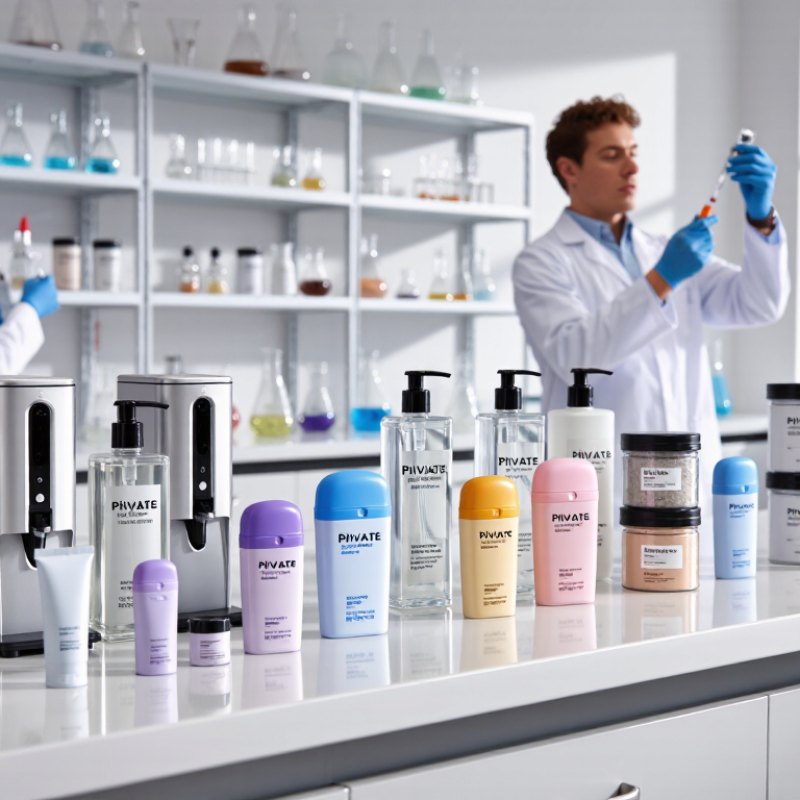
A private label body care supplier manufactures products that carry another company’s name. The supplier may develop formulas, source ingredients, fill containers, and manage packaging. Some also provide product testing and regulatory documents. The buyer usually controls the brand identity, claims, pricing, and sales channels.
This model matters because the global personal care market is expanding. Grand View Research valued it at approximately USD 557.7 billion in 2023. Its report forecasts continued growth through 2030. However, market size does not prove supplier quality. A capable supplier should explain its manufacturing site, quality system, minimum order quantities, and lead times. Ask for certificates of analysis, stability data, microbiological results, and ingredient specifications. Clear answers matter.
Look beyond attractive samples. Request batch records and confirm whether testing is performed by qualified laboratories. ISO 22716-based practices can support consistent cosmetic manufacturing, although certification alone is not enough. The McKinsey State of Fashion: Beauty report also describes beauty as a fast-growing global category, increasing pressure for speed and differentiation. That pressure creates risk. A low minimum order may hide weaker process controls. A polished sample may not represent later production. No checklist is perfect. Supplier evaluation needs product trials, documented communication, and independent review before commercial manufacturing.
Leading private label body care suppliers typically offer a broad, practical product range. Common options include body wash, shower gel, body lotion, creams, scrubs, body oils, hand wash, deodorants, and bath products. Many suppliers also provide fragrance-free, sensitive-skin, vegan, and naturally positioned formulas. Grand View Research valued the global personal care products market at approximately $557.2 billion in 2023, with projected growth through 2030. This expansion encourages suppliers to develop more targeted textures and formats, such as lightweight gel lotions, refill pouches, and airless pumps.
Packaging and formulation flexibility often separate experienced suppliers from basic contract manufacturers. Buyers can usually request 250-milliliter pump bottles, travel sizes, tubes, jars, or recyclable materials. Leading suppliers may also support stability testing, ingredient documentation, safety assessments, and label reviews. McKinsey’s beauty industry analysis projected the global beauty market could reach about $580 billion by 2027. Body care remains part of that wider opportunity, although forecasts are not promises. They can age quickly.
In practice, a supplier’s catalogue may look impressive but still require careful testing. A lotion can feel smooth in the laboratory yet become sticky in humid bathrooms. Fragrance strength may also change after several weeks. I would request pilot samples, batch specifications, microbial test results, and packaging compatibility data before committing to volume. Small details matter. A reliable supplier should explain minimum order quantities, lead times, formula ownership, and change-control procedures clearly.
Top private label body care suppliers differ most in quality control and customization depth. A polished sample proves little. Buyers should request full ingredient specifications, microbiological results, stability data, and preservative efficacy testing. ISO 22716-based manufacturing also matters because it supports documented hygiene, batch control, and traceability. Grand View Research estimated the global personal care market at approximately $552.4 billion in 2023. Its forecast suggests a 7.3% compound annual growth rate through 2030. This growth increases pressure to launch quickly, but speed should not replace verification.
Customization usually falls into three levels: ready-made formulas, semi-custom bases, and fully developed products. Ready-made options reduce cost and shorten launch time. Semi-custom programs may adjust fragrance, color, texture, or active ingredients. Full development offers stronger differentiation, but requires stability testing and more regulatory review. NIQ’s 2024 State of Private Label report highlights quality perception and innovation as important drivers of private-label growth. That finding supports investing in sensory testing, not only attractive packaging.
In practical evaluations, compare pilot-batch consistency, minimum order quantities, testing timelines, and formula ownership terms. Ask whether the supplier can reproduce the same viscosity after several production runs. Request recent certificates, not generic files. I would also check complaint-handling procedures and recall readiness. No supplier wins every test. A flexible laboratory may lack manufacturing capacity, while a large factory may offer limited formula creativity. That trade-off deserves honest review.
Choosing a private label body care supplier requires more than comparing unit prices. McKinsey’s 2023 beauty market report projects the global beauty industry could approach $590 billion by 2028. That growth increases supplier demand and may strain production capacity. Ask for verified monthly output, realistic lead times, and minimum order quantities. A low quote means little if replenishment takes twelve weeks.
Quality systems deserve close attention. The supplier should operate documented GMP procedures aligned with ISO 22716 principles. Request batch records, Certificates of Analysis, microbial test results, and stability data. Check whether testing covers the finished formula, not only raw materials. I also recommend reviewing packaging compatibility, because pumps can clog and oils can weaken plastic. Small details matter.
Supplier transparency is a stronger signal than polished sales material. Request a recent facility audit, corrective-action records, and clear ownership of formula changes. Grand View Research reported continued expansion in the global personal care market, but rapid growth can encourage rushed launches. That risk is easy to underestimate. A supplier may pass one audit and still struggle with communication during scale-up. Test a pilot batch, measure fill consistency, inspect labels, and compare samples after several weeks. The best decision may not be the cheapest one. It is the supplier that can repeat safe, compliant quality when orders become larger.
| No. | Evaluation Dimension | What Brands Should Verify | Reliable Evidence or Benchmark | Suggested Weight | Priority |
|---|---|---|---|---|---|
| 1 | Regulatory Compliance | Ability to manufacture and document products for each intended sales market. | Current licenses, market-specific labeling knowledge, safety assessment process, and documented corrective-action procedures. | 15% | Critical |
| 2 | GMP and Quality Systems | Consistency of production, hygiene controls, batch release, and deviation management. | Evidence of cosmetic GMP implementation, documented SOPs, internal audits, batch records, and traceable quality checks. ISO 22716 is a useful reference for cosmetic GMP practices. | 15% | Critical |
| 3 | Formulation Capability | Ability to create or adapt products such as body wash, lotion, scrub, deodorant, bath products, and hand care. | Formulation portfolio, development workflow, stability-testing plan, compatibility testing, and clear ownership of the formula and specifications. | 12% | High |
| 4 | Ingredient Traceability | Visibility into ingredient origin, supplier approval, lot tracking, and material changes. | INCI ingredient lists, certificates of analysis, allergen information, lot numbers, supplier qualification records, and change-notification procedures. | 8% | High |
| 5 | Safety and Performance Testing | Whether finished products are tested for safety, stability, microbiological quality, and packaging compatibility. | Product specifications, stability data, preservative or challenge-test results where applicable, microbiological reports, and finished-product release criteria. | 12% | Critical |
| 6 | Minimum Order Quantity | Whether the minimum order fits the brand’s launch budget, forecast, storage capacity, and sales velocity. | Written MOQ by product, formula, fragrance, color, packaging component, and production run; confirm whether pilot quantities are available. | 8% | High |
| 7 | Sampling and Development Process | Speed and structure of sample revisions before commercial production. | Defined sample stages, revision limits, sample charges, approval documents, and written sign-off requirements before scale-up. | 7% | Important |
| 8 | Production Lead Time | Reliability of the schedule from purchase-order approval to finished-goods release. | Separate timelines for formulation, packaging procurement, manufacturing, testing, and final inspection; ask how delays are communicated. | 7% | Important |
| 9 | Packaging and Artwork Support | Compatibility of packaging with the formula and accuracy of artwork, labeling, and filling specifications. | Packaging catalog, component specifications, compatibility testing, decoration options, artwork proofing, and packaging defect controls. | 6% | Important |
| 10 | Cost Transparency | Total landed cost, including formulation, testing, packaging, tooling, freight, and potential surcharge items. | Itemized quotation, payment terms, price-validity period, tooling ownership, taxes, shipping assumptions, and conditions for price changes. | 6% | High |
| 11 | Scalability and Capacity | Whether the supplier can support growth without compromising quality or delivery performance. | Production equipment, shift capacity, filling capabilities, capacity-reservation policy, backup plans, and historical on-time delivery data. | 5% | Important |
| 12 | Sustainability and Ethical Sourcing | Credibility of environmental, social, and sourcing claims attached to the product. | Specific material certifications, recycled-content documentation, responsible-sourcing policies, waste controls, and evidence supporting marketing claims. | 4% | Important |
| 13 | Communication and After-Sales Support | Responsiveness, accountability, and support during production, complaints, recalls, or formula changes. | Named account contact, response-time expectations, escalation process, complaint-handling records, recall procedure, and written change-control policy. | 5% | Important |
When comparing private label body care suppliers, treat the quotation as a starting point, not the final cost. McKinsey’s 2023 beauty report forecasts a global beauty market of about $580 billion by 2027, growing roughly 6% annually. That growth can hide pressure on margins. Request a line-by-line quote covering ingredients, bottles, labels, testing, tooling, freight, and storage. A low unit price may exclude essential costs. Ask for price breaks at 500, 2,000, and 10,000 units. Then calculate landed cost per finished item. I have seen attractive quotes weaken after packaging changes.
Compliance needs written evidence. Request the ingredient list, allergen statement, certificate of analysis, microbiological results, stability data, and manufacturing-site quality procedures. ISO 22716 provides a recognized framework for cosmetic good manufacturing practices. For products sold in the United States, the FDA’s MoCRA requirements include facility registration, product listing, and serious adverse-event reporting. Requirements differ across markets. Verify who owns each filing and who responds to regulators. Claims also need support; “dermatologist-tested” should not appear without documented testing. Do not accept “compliant” as proof.
Order terms deserve equal attention. Confirm the minimum order quantity, sample fees, lead time, deposit, balance date, delivery terms, and acceptable defect rate. Include written notice for formula, supplier, or packaging changes. Clarify whether unused packaging is refundable. A 60-day lead time sounds reasonable, until one missing pump stops production. My own weak point is overvaluing responsiveness during sampling. Fast replies are useful, but audited records and consistent batches matter more. Supplier scorecards should measure both.
Selected baseline cosmetic compliance checkpoints by target market
Supplier evaluations should verify whether the manufacturer can support the obligations required in the target market. In the United States, the baseline shown includes facility registration and product listing under MoCRA. In the European Union, the baseline includes an EU responsible person, a product information file, a cosmetic product safety report, and CPNP notification. Pricing transparency, minimum order quantities, lead times, payment terms, testing records, and change-control procedures should be reviewed separately.
Sources: U.S. FDA, Modernization of Cosmetics Regulation Act; European Commission, Cosmetics Regulation (EC) No 1223/2009.