Choosing a surgery surgeon is not simply a matter of counting years in practice. It requires understanding the procedure, the patient’s condition, and the team’s experience. A heart bypass, spinal fusion, skin reconstruction, or emergency abdominal operation demands different training, equipment, and decision-making.
This guide examines ten major surgeon types, including general, orthopedic, cardiac, neurosurgical, vascular, thoracic, plastic, transplant, urologic, and pediatric surgeons. These categories are practical, not absolute. Many operations overlap, and modern care increasingly depends on multidisciplinary teams.
The scale of surgical care makes careful selection important. The Lancet Commission on Global Surgery reported in 2015 that five billion people lacked access to safe, affordable surgical and anesthesia care. A 2019 Lancet study estimated 4.2 million deaths occur within 30 days after surgery worldwide. These figures reflect global access problems, not the performance of every surgery surgeon. Still, they show why safety systems, informed consent, and postoperative monitoring matter.
The World Health Organization’s Surgical Safety Checklist supports communication before anesthesia, before incision, and before leaving the operating room. Small steps can prevent serious mistakes.
Dr. William J. Mayo captured this principle clearly: “No one is big enough to be independent of others.” His words remain relevant in every operating theatre. Surgeons need anesthetists, nurses, radiologists, rehabilitation specialists, and informed patients.
The ranking below is therefore a starting point, not a final verdict. Hospital outcomes, certification, case volume, complications, and personal communication deserve equal attention. Even this framework has limits. A highly respected specialist may not be the right match for every patient.
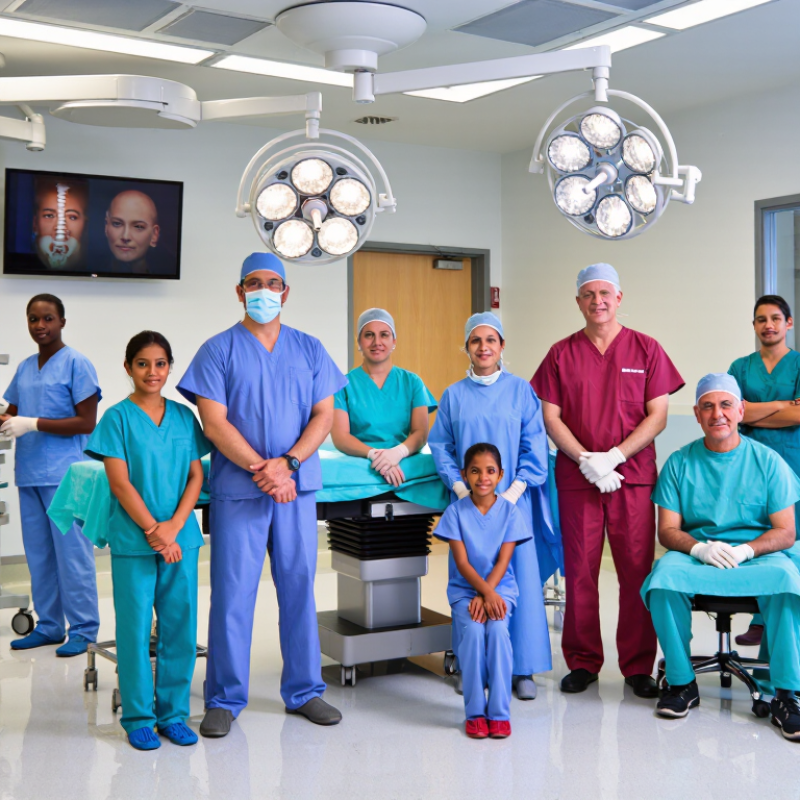
What Are the Top 10 Types of Surgery Surgeons?
Understanding surgical specialties means looking beyond job titles. Each surgeon trains for a distinct anatomy, disease pattern, and care pathway. The ten broad specialties include general, orthopedic, cardiothoracic, neurosurgery, vascular, plastic, pediatric, urologic, gynecologic, and ophthalmic surgery. Their scopes can overlap. A vascular surgeon may treat blocked leg arteries, while a cardiothoracic surgeon manages the heart, lungs, and chest. General surgeons often handle abdominal emergencies, including appendicitis and bowel obstruction.
The Lancet Commission on Global Surgery reported in 2015 that five billion people lacked access to safe, affordable surgical care. This figure shows why specialty knowledge matters, especially where referral systems are limited. World Health Organization reporting also connects essential surgery with universal health coverage. Still, specialty labels do not explain every patient’s needs. Age, anesthesia risk, imaging results, rehabilitation access, and local expertise can change the safest plan. My own interpretation is imperfect: “top” should describe clinical fit, not prestige.
Tips: Ask what body system the surgeon treats, how often they perform the procedure, and who manages follow-up care. Request clear information about benefits, risks, alternatives, and recovery time. A second opinion can uncover overlooked options. Check the surgeon’s current credentials through an official medical regulator. Evidence matters, but communication matters too. A technically excellent operation may still feel incomplete without coordinated aftercare.
The word “top” can mislead patients. Surgical expertise depends on the operation, anatomy, and hospital team. General surgeons commonly repair hernias, remove gallbladders, and treat abdominal conditions. Orthopedic surgeons manage fractures, damaged joints, and ligament injuries, including knee replacement. Neurosurgeons operate on the brain, spine, and nerves, often treating tumors or compressed discs. Cardiothoracic surgeons perform heart bypasses, valve repairs, and lung operations.
Vascular surgeons treat blocked arteries, aneurysms, and circulation problems. Plastic surgeons reconstruct damaged tissue or reshape selected body areas, but their work is not limited to appearance. Urologic surgeons treat kidney stones, prostate disease, and bladder disorders. Gynecologic surgeons perform procedures involving the uterus, ovaries, and reproductive system. Ophthalmic surgeons operate on the eyes, including cataract removal and retinal repair. Otolaryngologic surgeons treat ear, nose, throat, and neck conditions, such as chronic sinus disease.
A surgeon’s title does not guarantee the best fit for every patient. Training, procedure volume, certification, complication rates, and communication deserve careful review. Patients should ask who will perform the operation, what alternatives exist, and how recovery may affect work or daily movement. Even a well-planned procedure can change during surgery when unexpected bleeding, scarring, or anatomy appears. That uncertainty is uncomfortable, but honest counseling makes decisions safer. Personal experience also varies widely; one patient’s smooth recovery cannot predict another’s outcome.
What Are the Top 10 Types of Surgery Surgeons?
Surgical specialties treat different body systems, injuries, and stages of life. General surgeons repair hernias, remove gallbladders, and treat bowel problems. Orthopedic surgeons manage broken bones, torn ligaments, and painful hip or knee joints. Cardiovascular surgeons operate on blocked arteries, damaged valves, and serious heart disease. Neurosurgeons treat brain tumors, spinal compression, and traumatic head injuries.
The other specialties are equally specific. Thoracic surgeons treat lung and esophageal disease, sometimes through small chest incisions. Vascular surgeons manage aneurysms, narrowed arteries, and poor leg circulation. Urologic surgeons treat kidney stones, prostate conditions, and urinary blockage. Gynecologic surgeons remove fibroids and treat endometriosis or certain reproductive cancers. Pediatric surgeons correct congenital conditions and injuries in children. Plastic and reconstructive surgeons repair burns, wounds, and tissue loss after trauma or cancer treatment.
The scale is substantial. The Lancet Commission on Global Surgery estimated that about 312.9 million operations occurred worldwide in 2012, while nearly 5 billion people lacked safe, affordable surgical care. A WHO-led study of eight hospitals found that a surgical safety checklist reduced major complications from 11% to 7%. Numbers help, but they do not replace judgment. A “routine” operation can become difficult when age, infection, or other illnesses change the risk. Specialty boundaries also overlap, and treatment plans may need several surgeons. That part is easy to underestimate.
How each surgical specialty treats different conditions
The chart compares common U.S. postgraduate residency durations for these specialties, not the number of operations performed or the prevalence of the conditions treated. Training pathways may vary by program and subspecialty.
What Are the Top 10 Types of Surgery Surgeons?
Surgical careers differ by anatomy, patient age, and clinical urgency. General surgeons manage abdominal conditions and emergency procedures. Cardiovascular surgeons operate on the heart and major vessels. Neurosurgeons treat the brain, spine, and peripheral nerves. Orthopedic surgeons repair bones, joints, and damaged ligaments. Plastic surgeons restore function and appearance after injury or disease. Thoracic surgeons focus on the chest and lungs. Vascular surgeons treat blood vessels outside the heart and brain. Pediatric surgeons care for children with developing bodies. Obstetric and gynecologic surgeons treat reproductive health conditions. Urologic surgeons manage the urinary system and male reproductive organs.
Training is demanding and highly supervised. Residents learn anatomy, anesthesia safety, sterile technique, and careful decision-making. Fellowship training can add several years of focused practice. Strong surgeons also need communication skills. A technically successful operation can still fail if patients do not understand recovery instructions. That is easy to underestimate. Modern fields use imaging guidance, robotic assistance, computer navigation, and minimally invasive instruments. Technology improves precision, but it does not replace judgment, preparation, or hands-on experience.
Tips: Ask how a surgeon was trained and how often they perform the recommended procedure. Confirm board certification through a trusted medical authority. Discuss risks, recovery time, alternatives, and expected results. Bring a written medication list to consultations. Seek another qualified opinion when the plan feels unclear. Even experienced teams can encounter complications. Honest questions help patients make safer, more informed choices.
| Rank | Surgical Field | Typical Postgraduate Training | Core Skills | Common Procedures | Commonly Used Technology | Typical Clinical Focus |
|---|---|---|---|---|---|---|
| 1 | General Surgery | Usually about 5–7 years after medical school, depending on the national training system; fellowship training may follow. | Tissue handling, abdominal anatomy, emergency decision-making, open and minimally invasive technique, perioperative care. | Appendectomy, hernia repair, gallbladder surgery, bowel surgery, breast procedures, trauma operations. | Laparoscopic systems, endoscopy, electrosurgery, surgical navigation, digital imaging, stapling devices. | Diseases of the abdomen, digestive tract, breast, skin, soft tissue, and surgical emergencies. |
| 2 | Orthopedic Surgery | Commonly about 5–6 years after medical school, with optional fellowships in areas such as trauma, joints, spine, or sports medicine. | Biomechanics, fracture management, implant positioning, arthroscopy, musculoskeletal examination, rehabilitation planning. | Fracture fixation, joint replacement, ligament repair, spinal procedures, deformity correction, tendon surgery. | Arthroscopes, fluoroscopy, computer-assisted navigation, 3D planning, additive-manufactured implants. | Bones, joints, muscles, ligaments, tendons, the spine, and movement-related conditions. |
| 3 | Neurosurgery | Often about 6–8 years after medical school; additional subspecialty training may be required for complex cranial, spine, vascular, or pediatric cases. | Microsurgery, neuroanatomy, precise motor control, intracranial pressure management, critical care, risk assessment. | Brain tumor surgery, aneurysm treatment, spine decompression, trauma surgery, hydrocephalus procedures. | Operating microscopes, neuronavigation, intraoperative imaging, neurophysiological monitoring, stereotactic systems. | The brain, spinal cord, peripheral nerves, skull, and spinal column. |
| 4 | Cardiothoracic Surgery | Typically about 6–8 years after medical school, either through integrated training or general-surgery training followed by cardiothoracic specialization. | Cardiac anatomy, perfusion principles, thoracic procedures, critical care, rapid response, complex team coordination. | Coronary bypass surgery, valve repair or replacement, lung resection, esophageal surgery, congenital heart procedures. | Cardiopulmonary bypass, intraoperative echocardiography, thoracoscopy, minimally invasive cardiac tools, perfusion monitoring. | The heart, lungs, mediastinum, esophagus, and other structures within the chest. |
| 5 | Plastic and Reconstructive Surgery | Usually about 5–7 years after medical school, with further training possible in hand, burn, craniofacial, microsurgery, or aesthetic surgery. | Microsurgery, wound healing, aesthetic judgment, tissue rearrangement, scar management, fine motor precision. | Burn reconstruction, skin grafts, flap surgery, hand repair, craniofacial reconstruction, breast reconstruction. | Operating microscopes, 3D imaging, tissue expanders, laser systems, microsurgical instruments, virtual planning. | Restoring form and function after injury, cancer treatment, congenital conditions, or tissue loss. |
| 6 | Vascular Surgery | Commonly about 5–7 years after medical school, with additional specialization in complex endovascular or arterial and venous disease when needed. | Vascular anatomy, anastomosis, bleeding control, endovascular skills, ultrasound interpretation, long-term risk management. | Aneurysm repair, bypass surgery, carotid procedures, dialysis access, limb revascularization, varicose-vein treatment. | Duplex ultrasound, angiography, fluoroscopy, catheters, stents, grafts, intravascular imaging. | Arteries, veins, lymphatic vessels, circulation disorders, aneurysms, and limb-threatening ischemia. |
| 7 | Urologic Surgery | Generally about 5–6 years after medical school, with optional fellowships in oncology, reconstruction, pediatric urology, transplantation, or minimally invasive surgery. | Endoscopy, urinary reconstruction, stone management, pelvic anatomy, oncologic surgery, minimally invasive technique. | Prostate surgery, kidney tumor surgery, stone removal, urinary reconstruction, bladder procedures, transplant-related operations. | Cystoscopes, ureteroscopes, laser lithotripsy, laparoscopic and robotic platforms, ultrasound, image guidance. | The urinary tract and male reproductive system, including kidneys, bladder, prostate, and genital organs. |
| 8 | Obstetric and Gynecologic Surgery | Usually about 4–6 years after medical school, followed by optional subspecialty training in maternal-fetal medicine, oncology, reproductive surgery, or urogynecology. | Pelvic anatomy, obstetric emergencies, minimally invasive surgery, fetal and maternal assessment, hemorrhage control. | Cesarean delivery, hysterectomy, ovarian surgery, fibroid treatment, pelvic floor repair, gynecologic cancer surgery. | Laparoscopy, hysteroscopy, ultrasound, fetal monitoring, minimally invasive instruments, surgical energy devices. | Pregnancy, childbirth, reproductive organs, pelvic disorders, and gynecologic cancers. |
| 9 | Otolaryngology–Head and Neck Surgery | Often about 5 years after medical school, with additional training available in head and neck oncology, otology, rhinology, laryngology, or pediatric care. | Endoscopic technique, airway management, facial nerve preservation, microsurgery, hearing assessment, oncologic reconstruction. | Tonsil and adenoid surgery, sinus surgery, ear reconstruction, thyroid surgery, airway procedures, head and neck tumor removal. | Endoscopes, operating microscopes, navigation systems, laser instruments, audiology equipment, intraoperative monitoring. | The ear, nose, throat, airway, thyroid, salivary glands, and head and neck structures. |
| 10 | Ophthalmic Surgery | Typically about 4–5 years after medical school, with optional fellowship training in retina, cornea, glaucoma, pediatric ophthalmology, or oculoplastics. | Microsurgical dexterity, optical anatomy, delicate tissue handling, refractive assessment, precision and depth perception. | Cataract surgery, corneal transplantation, retinal repair, glaucoma procedures, strabismus correction, eyelid surgery. | Slit lamps, operating microscopes, optical coherence tomography, laser systems, phacoemulsification, retinal imaging. | The eye, eyelids, orbit, visual pathways, and conditions affecting vision. |
The top ten surgical fields include general, orthopedic, cardiovascular, neurosurgery, plastic, thoracic, vascular, urologic, colorectal, and pediatric surgery. Each field requires different training, technical skills, and hospital support. However, the “best” surgeon depends on your condition, not a ranking. A vascular surgeon may suit an artery problem, while an orthopedic surgeon may treat a damaged knee. Choosing by specialty alone can be misleading.
Tips: Check board certification, focused training, and experience with your exact procedure. Ask how often the surgeon performs it and which complications are most common. Confirm where surgery will occur and whether the facility supports emergency care. Bring scans, medication lists, and clear questions to the consultation. A second opinion is reasonable, even when the first doctor seems confident.
Pay attention to communication. A reliable surgeon explains benefits, risks, alternatives, recovery time, and possible costs without rushing you. Ask who will provide follow-up care after discharge. Review published safety information carefully, but avoid comparing complication rates without context. Complex patients may face higher risks because of age, diabetes, or previous operations. A polished website proves little. Personal recommendations can also be incomplete. Trust grows when answers remain consistent across the surgeon, nursing team, and medical records. No checklist is perfect. Your comfort matters, but it should support careful evidence-based judgment.