Exploring the Future of Medicine with Robotic Surgical Systems in Minimally Invasive Procedures
In recent years, the field of medicine has witnessed a transformative shift towards the integration of advanced technologies, particularly in the realm of surgical procedures. One of the most promising innovations is the robotic surgical system, which has revolutionized minimally invasive techniques.
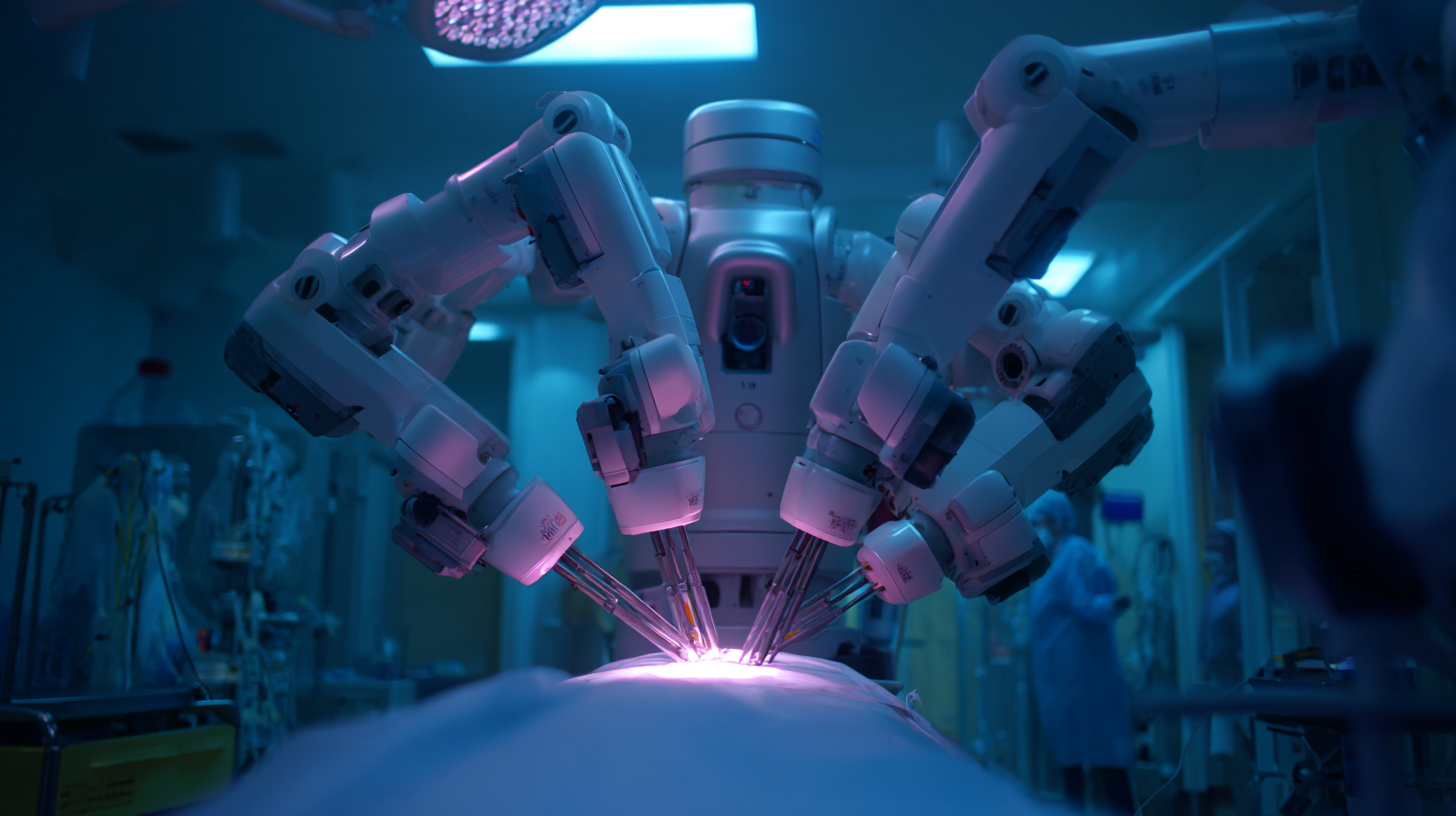 These cutting-edge systems enhance precision, reduce recovery times, and minimize patient discomfort by allowing surgeons to perform complex operations through small incisions. As we explore the future of medicine, it becomes increasingly clear that robotic surgical systems are not only enhancing surgical capabilities but also setting new standards for patient care.
This introduction delves into the evolving landscape of surgical robotics, examining their implications for both surgeons and patients, and highlighting the potential for improved surgical outcomes in various medical disciplines.
These cutting-edge systems enhance precision, reduce recovery times, and minimize patient discomfort by allowing surgeons to perform complex operations through small incisions. As we explore the future of medicine, it becomes increasingly clear that robotic surgical systems are not only enhancing surgical capabilities but also setting new standards for patient care.
This introduction delves into the evolving landscape of surgical robotics, examining their implications for both surgeons and patients, and highlighting the potential for improved surgical outcomes in various medical disciplines.
The Evolution of Robotic Surgical Systems in Modern Medicine
Robotic surgical systems have undergone a remarkable evolution over the past two decades, significantly transforming minimally invasive procedures in modern medicine. According to a report by Grand View Research, the global robotic surgery market is projected to reach $23.6 billion by 2028, growing at a CAGR of 15.9%. This growth is driven by advancements in technology and a rising preference for minimally invasive surgeries, which minimize patient recovery time and enhance surgical precision. Studies show that procedures performed with robotic assistance have demonstrated reduced blood loss, shorter hospital stays, and improved patient outcomes compared to traditional methods.

As these systems continue to evolve, integrating artificial intelligence and machine learning is proving beneficial. A 2021 study highlighted that robotic systems equipped with AI capabilities could analyze data in real-time, offering surgeons predictive insights that enhance decision-making during operations. This integration not only streamlines the surgical process but also significantly reduces the likelihood of complications.
Tips: When considering robotic surgeries, patients should discuss the available options with their surgeons, including the specific advantages of robotic systems for their particular condition. Additionally, staying informed about the latest technology advancements can provide patients with a better understanding of what to expect during their surgical experience.
Key Advantages of Minimally Invasive Surgery with Robotics
Minimally invasive surgery (MIS) has revolutionized the field of medicine, offering numerous advantages over traditional surgical methods. Robotic surgical systems enhance these benefits by providing surgeons with superior precision and control. These state-of-the-art systems allow for smaller incisions, ultimately reducing tissue damage and promoting quicker recovery times for patients. The enhanced visibility offered by 3D imaging and high-definition cameras further aids surgeons in performing complex procedures with remarkable accuracy.
Another key advantage of robotic-assisted minimally invasive surgery is the reduction in postoperative pain and scarring. Patients often experience less discomfort and a shorter hospital stay, leading to a faster return to daily activities. Additionally, the lower risk of complications associated with smaller incisions contributes to improved overall health outcomes. As robotic technology continues to evolve, it promises to further streamline surgical processes, making them safer and more efficient. This shift not only benefits patients but also allows healthcare providers to allocate resources more effectively, ultimately transforming the future landscape of surgical medicine.
Challenges and Limitations of Robotic Surgical Procedures
The use of robotic surgical systems in minimally invasive procedures is on the rise, promising innovative solutions and improved patient outcomes. However, the challenges and limitations of these technologies cannot be overlooked. Despite the projected growth in the global minimally invasive surgery (MIS) equipment market, expected to reach $55.44 billion by 2025 and $89 billion by 2033, obstacles remain. High costs of robotic surgical systems, the learning curve associated with training surgeons, and potential complications if not used correctly are significant hurdles that need addressing.
As we progress, integrating artificial intelligence with robotic-assisted surgeries is anticipated to enhance performance and training. Notably, the market for AI in robotic-assisted surgery is expected to grow significantly, facilitated by cloud-based surgical training and data collection. Furthermore, the global surgical table and lighting market is projected to grow from $290 million in 2022 to $460 million by 2030, indicating a broader acceptance and dependency on advanced technology in surgical environments.
Tip: For surgical teams considering robotic surgical systems, investing in comprehensive training programs is crucial to mitigate risks associated with the technology. Keeping abreast of the latest developments in AI integration can also play a significant role in maximizing operational efficiency and patient safety.
Future Innovations and Trends in Robotic Surgery Technology
The advent of robotic surgical systems marks a significant evolution in minimally invasive procedures, revolutionizing the approach to surgery. With advancements in artificial intelligence and precision robotics, the market for intelligent surgical robots is projected to grow dramatically, with estimates indicating an increase from $15.65 billion in 2025 to a staggering $97.75 billion by 2033, achieving a remarkable compound annual growth rate (CAGR) of 25.57%. This surge in the robotic surgery market highlights the potential for enhanced surgical outcomes, reduced patient recovery times, and overall improvements in healthcare delivery.
Recent discussions among industry leaders have emphasized the integration of robotics with cutting-edge communication standards and AI technologies. A symposium held in Shenzhen brought together experts to explore the confluence of these fields, aiming to foster innovations that will further enhance robotic surgical capabilities. The emergence of advanced technologies, such as laparoscopic surgical robots, indicates a clear trend toward more sophisticated instruments capable of intricate procedures with minimal invasiveness. As we anticipate the future, the continued evolution of medical robotics promises to transform the landscape of surgical practices, enhancing both the efficacy and safety of medical interventions.

Impact of Robotic Surgery on Patient Outcomes and Recovery Times
The advent of robotic surgical systems marks a significant milestone in minimally invasive procedures, profoundly influencing patient outcomes and recovery times. Robotic-assisted surgeries offer unparalleled precision, allowing surgeons to navigate complex anatomies with enhanced dexterity. This technological advancement not only minimizes tissue damage but also reduces surgical trauma, leading to lower postoperative pain levels and reduced use of analgesics. Patients often experience fewer complications associated with traditional open surgeries, subsequently resulting in shorter hospital stays.
Furthermore, the faster recovery times associated with robotic surgery present a compelling advantage in the clinical landscape. Patients are generally able to return to their normal activities sooner, which can significantly improve their overall quality of life. The use of robotic systems can also lead to fewer follow-up surgeries, as the enhanced accuracy and technique reduce the likelihood of complications. This evolution in surgical practice underscores the importance of continued research and adoption of robotic technologies, ultimately prioritizing patient safety and effectiveness in medical procedures.
Exploring the Future of Medicine with Robotic Surgical Systems in Minimally Invasive Procedures - Impact of Robotic Surgery on Patient Outcomes and Recovery Times
| Procedure Type |
Average Recovery Time (Days) |
Complication Rate (%) |
Patient Satisfaction Score (1-10) |
Blood Loss (mL) |
| Robotic-assisted Laparoscopic Cholecystectomy |
3 |
2 |
9.5 |
50 |
| Robotic Prostatectomy |
4 |
1.5 |
8.7 |
30 |
| Robot-assisted Hysterectomy |
2 |
1 |
9.0 |
40 |
| Robotic Mitral Valve Repair |
5 |
2.5 |
9.2 |
60 |
| Robotic Hernia Repair |
3 |
2 |
9.4 |
20 |