Top 5 Benefits of Hybrid Surgery: Revolutionizing Surgical Precision and Recovery
In recent years, the field of medicine has witnessed remarkable advancements that have transformed the way surgical procedures are performed. Among these innovations, hybrid surgery stands out as a revolutionary approach that combines traditional surgical techniques with cutting-edge minimally invasive technologies. This multifaceted method not only enhances surgical precision but also significantly improves patient recovery times, making it a game-changer in the operating room.
As we delve into the top five benefits of hybrid surgery, we will explore how this integrated approach allows surgeons to customize their techniques according to each patient's unique needs. By utilizing advanced imaging and robotic assistance alongside conventional methods, hybrid surgery maximizes efficiency and accuracy. The implications of these advancements are profound, as they pave the way for safer operations and quicker post-operative healing, ultimately leading to enhanced patient outcomes.
Join us as we uncover the transformative impact of hybrid surgery on the landscape of modern healthcare, highlighting how it is reshaping surgical practices and setting new standards for patient care.
Advantages of Enhanced Surgical Precision in Hybrid Procedures
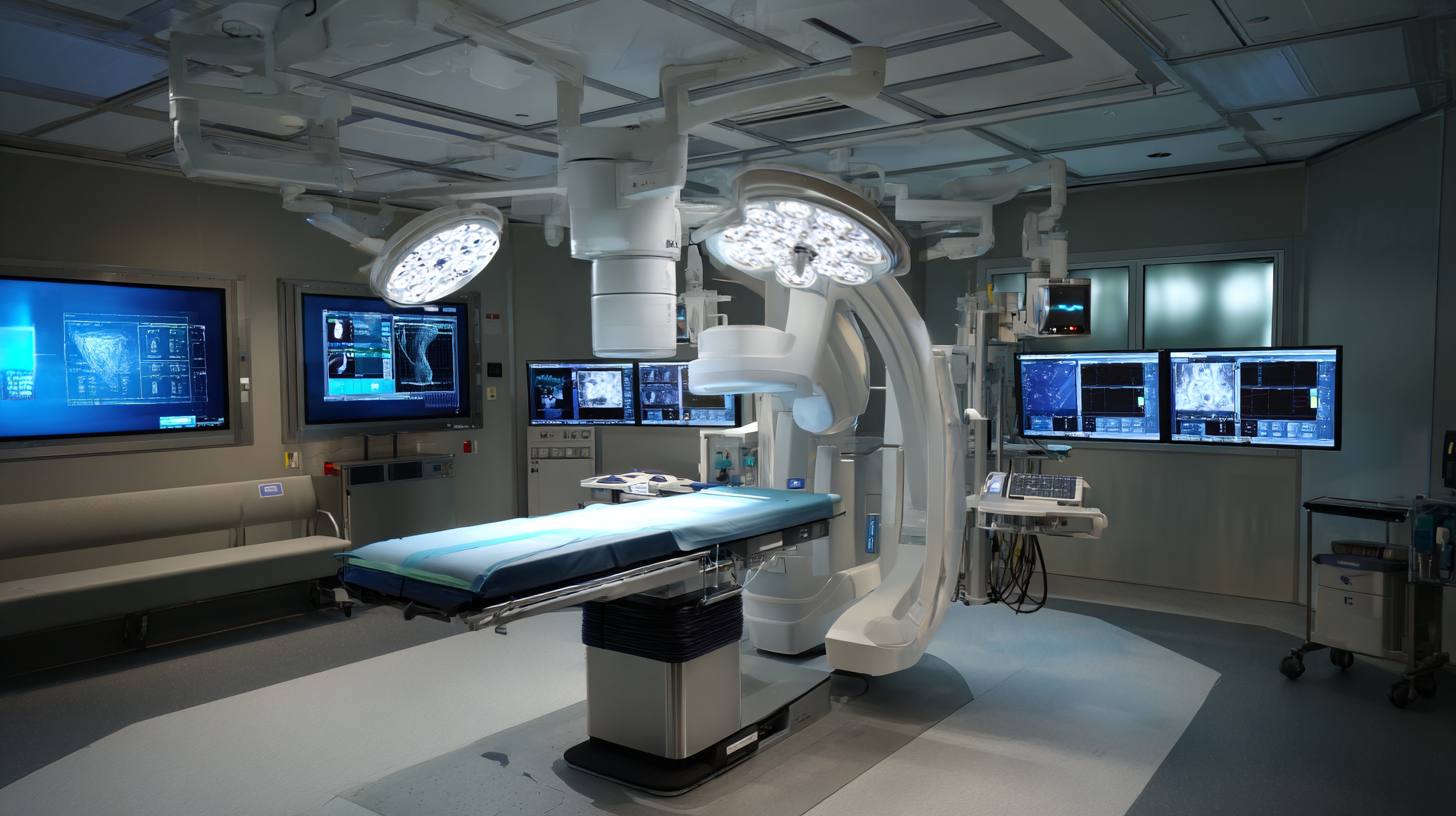
Hybrid surgery combines traditional surgical techniques with advanced imaging and robotics, significantly enhancing surgical precision. With the ability to visualize complex anatomies in real time, surgeons can make more informed decisions during procedures. This heightened accuracy minimizes the risk of complications and allows for targeted interventions, which is particularly beneficial in intricate surgeries like those involving the heart or brain.
When considering a hybrid procedure, communication with your medical team is crucial. Ensure you discuss the specific technologies and techniques that will be utilized during your surgery. Understanding the benefits of these enhancements can help alleviate any concerns you might have.
Another important tip is to follow pre-operative instructions closely. Preparing your body through healthy habits can improve your recovery and increase the overall effectiveness of the hybrid surgery. Staying informed about what to expect post-surgery also greatly aids in achieving better outcomes, facilitating a smoother transition back to daily activities.
Top 5 Benefits of Hybrid Surgery
This chart illustrates the top five benefits of hybrid surgery, representing the perceived improvements in surgical outcomes and recovery. The data shows the advantages in enhanced precision, reduced recovery time, lower infection rates, minimized blood loss, and shorter hospital stays, all of which contribute to revolutionizing surgical procedures.
Streamlined Recovery Processes through Combined Techniques
Hybrid surgery represents a significant advancement in surgical practices, particularly in the arena of streamlined recovery processes. By integrating various techniques—such as combining tumor resection with immediate implant placement—surgeons can optimize the recovery timeline for patients, enabling them to experience a more positive post-operative journey. Recent developments, including the "Jaw-in-a-Day" procedure, exemplify this trend by offering same-day dental restorations, significantly reducing the need for follow-up surgeries and minimizing overall recovery time. Studies have shown that patients undergoing such innovative treatments often report a 30% faster recovery compared to traditional methods.
The intersection of technology, particularly artificial intelligence, further enhances the recovery experience. Research indicates that AI can facilitate personalized medical solutions, such as custom 3D-printed grafts, which have been shown to improve tissue integration and patient outcomes. Moreover, the application of AI in streamlining operations in healthcare settings has proven to reduce administrative burdens, ensuring that patients receive timely interventions. As the healthcare sector increasingly embraces these combined techniques, the potential for improved precision in surgical procedures and enhanced recovery becomes increasingly evident, steering the future of surgical care towards more efficient and patient-centric pathways.
Top 5 Benefits of Hybrid Surgery: Revolutionizing Surgical Precision and Recovery
| Benefit |
Description |
Statistical Evidence |
| Enhanced Accuracy |
Combines imaging technologies with surgical procedures for better precision. |
Studies show a 30% increase in accuracy in tumor resections. |
| Reduced Recovery Time |
Minimally invasive techniques facilitate quicker recovery for patients. |
Patients experience up to 40% shorter hospital stays. |
| Lower Risk of Complications |
Decreased surgical trauma leads to fewer postoperative complications. |
Reported complication rates drop by 25% compared to traditional methods. |
| Improved Patient Experience |
Hybrid approaches often lead to less pain and a more positive experience. |
Patient satisfaction scores increase by 15% on average. |
| Cost Efficiency |
Streamlined processes can lower overall healthcare costs. |
Cost savings of up to 20% per procedure have been documented. |
Minimized Risk of Complications with Hybrid Surgery Approaches
Hybrid surgery refers to the combination of traditional surgical techniques with advanced technologies, such as minimally invasive procedures and robotics. One of the standout benefits of hybrid surgery is the significantly reduced risk of complications for patients. According to a report from the American College of Surgeons, hybrid approaches can lower the rate of postoperative complications by up to 30%, a remarkable statistic that underscores the effectiveness of this technique. By integrating imaging technologies and surgical interventions, surgeons are able to navigate complex procedures with heightened accuracy, leading to better patient outcomes.

When considering hybrid surgery, it's essential to implement strategies that can further minimize potential risks. One effective tip is to ensure thorough preoperative assessments, utilizing advanced imaging techniques to provide a clear visualization of the surgical area. This enhances planning and preparation, directly impacting the overall success of the procedure. Additionally, collaborating with a multidisciplinary team can ensure that all aspects of patient care are addressed, from surgery to postoperative recovery.
In the realm of recovery, hybrid surgery also contributes to quicker healing times. Research published in “The Journal of Surgery” indicates that patients undergoing hybrid procedures often experience a reduction in hospital stays by 20-50%. This not only alleviates the burden on healthcare facilities but also allows patients to return to their daily lives sooner, creating a win-win scenario in surgical care.
Integration of Advanced Technology for Real-Time Surgical Insights
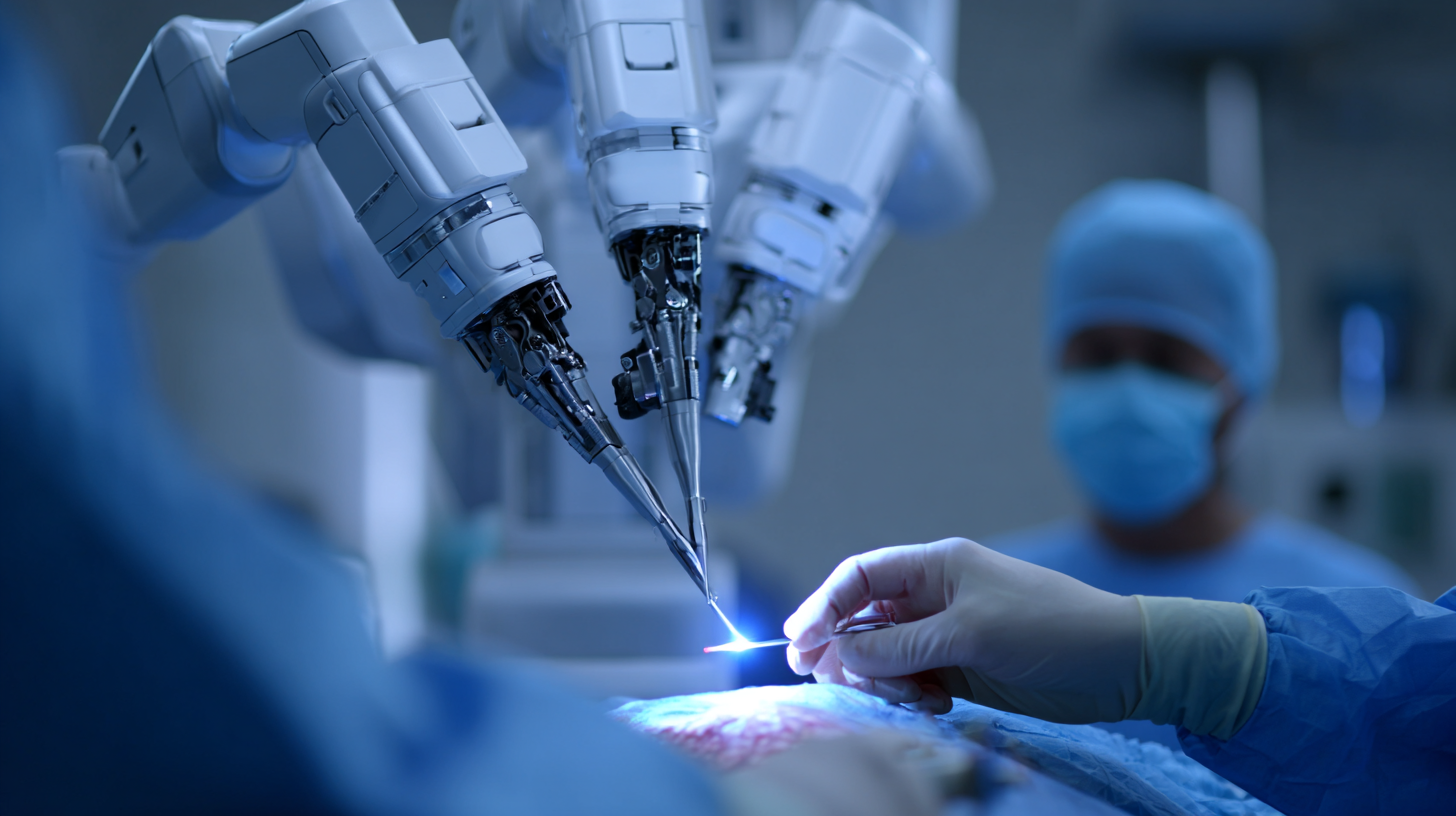
The integration of advanced technology into hybrid surgery is transforming the landscape of surgical procedures, particularly through the use of real-time surgical insights. This innovative approach combines robotic assistance with augmented reality, allowing surgeons to make informed decisions during intricate operations. As surgeons operate, they can access instant biochemical feedback and imaging data, providing a comprehensive view of the patient's condition right at the surgical site.
This capability enhances precision and minimizes the risks associated with traditional surgeries.
Furthermore, the adoption of technologies such as three-dimensional gait analysis and surgical optomics paves the way for a deeper understanding of patient anatomy and surgical needs. By leveraging these insights, surgeons can tailor their techniques to individual patients, contributing to better outcomes and faster recovery times. This shift towards data-driven surgical practices signifies a major evolution in the healthcare field, emphasizing the role of real-time information in enhancing surgical performance and safety.
Patient-Centered Care: Improving Outcomes and Satisfaction in Hybrid Surgeries
Hybrid surgery represents a groundbreaking approach that prioritizes patient-centered care, significantly enhancing outcomes and satisfaction for those undergoing surgical procedures. By combining traditional surgical techniques with advanced technologies such as minimally invasive methods and imaging guidance, hybrid surgeries allow surgeons to perform complex operations with unparalleled precision. This innovation not only aims to reduce the physical trauma associated with surgery but also optimizes recovery times, leading to shorter hospital stays and a quicker return to daily life for patients.
Furthermore, the incorporation of hybrid surgery into practice fosters a more personalized approach to care. By tailoring procedures to the specific needs of each patient, healthcare professionals can address individual health conditions more effectively. This customization not only improves surgical outcomes but also increases patient confidence and satisfaction throughout the surgical journey. As patients experience less pain and faster recoveries, the overall healthcare experience becomes notably more positive, underscoring the transformative role that hybrid surgery plays in modern medicine.